PraC-MARENG Plus Consortium Holds Its 2nd Partner Meeting in Cartagena, Spain
The PraC-MARENG Plus consortium gathered at Universidad Politécnica de Cartagena to review project progress, align curriculum development, and plan the next steps for practice-oriented Maritime English training materials and the e-learning platform.
Ugurcan Acar
5/8/20262 min read
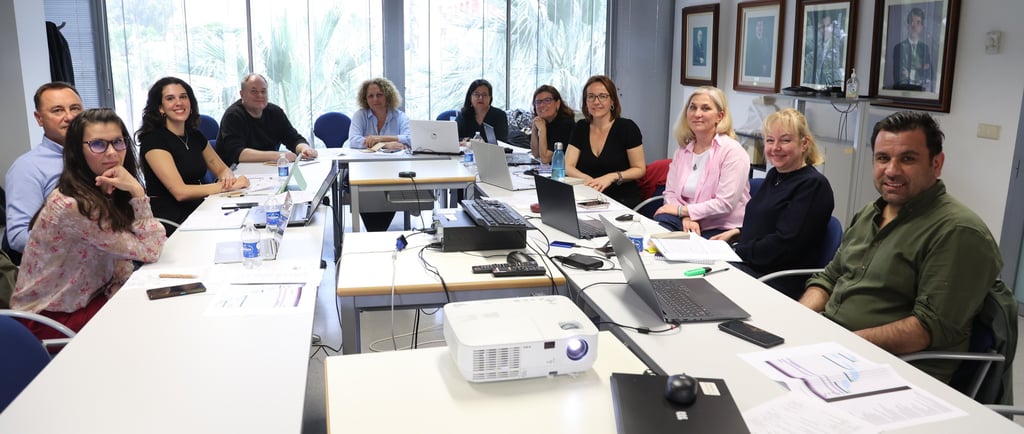
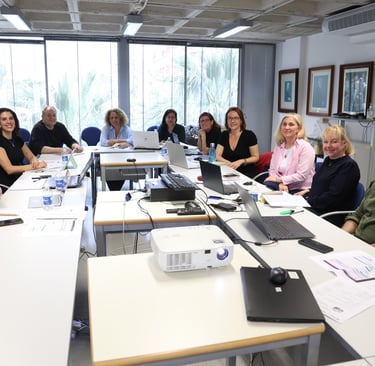
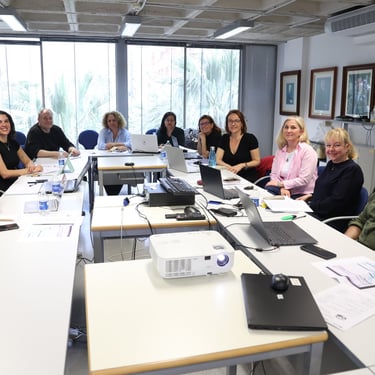
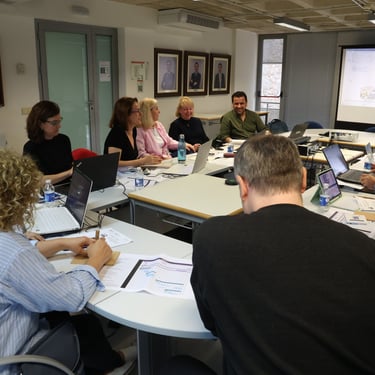
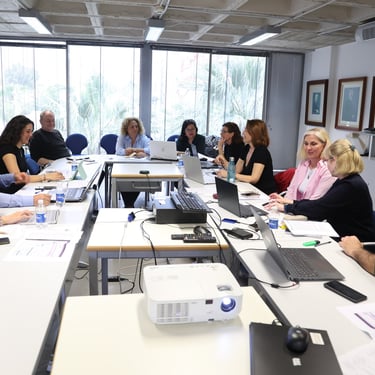
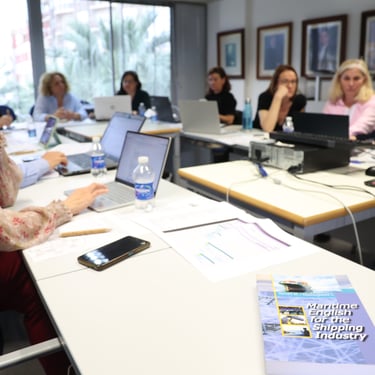
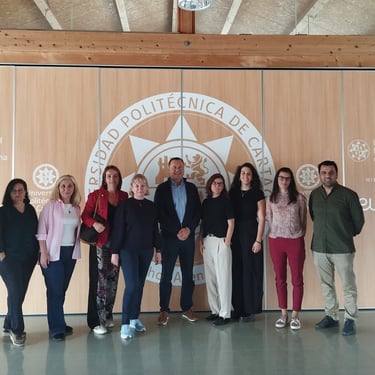
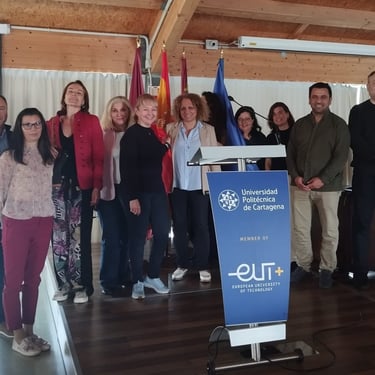
The PraC-MARENG Plus consortium successfully held its 2nd Partner Meeting on 7–8 May 2026 in Cartagena, Spain, hosted by Universidad Politécnica de Cartagena (UPCT).
The two-day meeting brought together project partners to review the progress achieved during the first months of implementation and to agree on the next steps for the development of practice-oriented Maritime English training materials for shore-based and port communication contexts.
The discussions focused mainly on Work Packages 2 and 3, including curriculum development, module structure, interactive learning materials, assessment methods, scenario-based learning, multilingual glossary development, and the transition towards the e-learning platform. Partners also reviewed the overall implementation progress and confirmed the importance of preparing high-quality learning content that is practical, role-based, and aligned with real maritime communication needs.
A key focus of the meeting was the development of professional-based learning modules. Partners discussed the structure of the curriculum, learning outcomes, automated assessment methods, and the integration of interactive learning activities. The consortium also agreed on the importance of developing materials that can support students, educators, and maritime professionals through realistic communication tasks and practical examples.
The meeting also addressed the multilingual glossary, which will support learners by providing key maritime terminology, definitions, translations, and real-life usage examples. This feature is expected to strengthen the accessibility and practical value of the training materials for users from different linguistic backgrounds.
Another important topic was scenario-based learning. Partners discussed how authentic maritime situations, communication breakdowns, port operations, and real-life case examples can be transformed into practical training scenarios. These scenarios will help learners improve their communication proficiency in realistic professional contexts.
The consortium also reviewed the e-learning platform and discussed how the developed modules, interactive activities, glossary, quizzes, and assessment components will be integrated into the digital learning environment. The platform will play a central role in delivering the project outputs and supporting the pilot-testing phase.
In addition to project sessions, the meeting programme included an interactive “Day of Europe” session, encouraging participants to engage with European Union initiatives, opportunities, values, and cultural exchange through participatory activities.
The Cartagena meeting provided an important opportunity for partners to align their work, clarify responsibilities, and ensure that the project outputs remain practical, accessible, and relevant for maritime education and training.
We thank all partners for their active participation, valuable contributions, and continued commitment to the successful implementation of PraC-MARENG Plus.